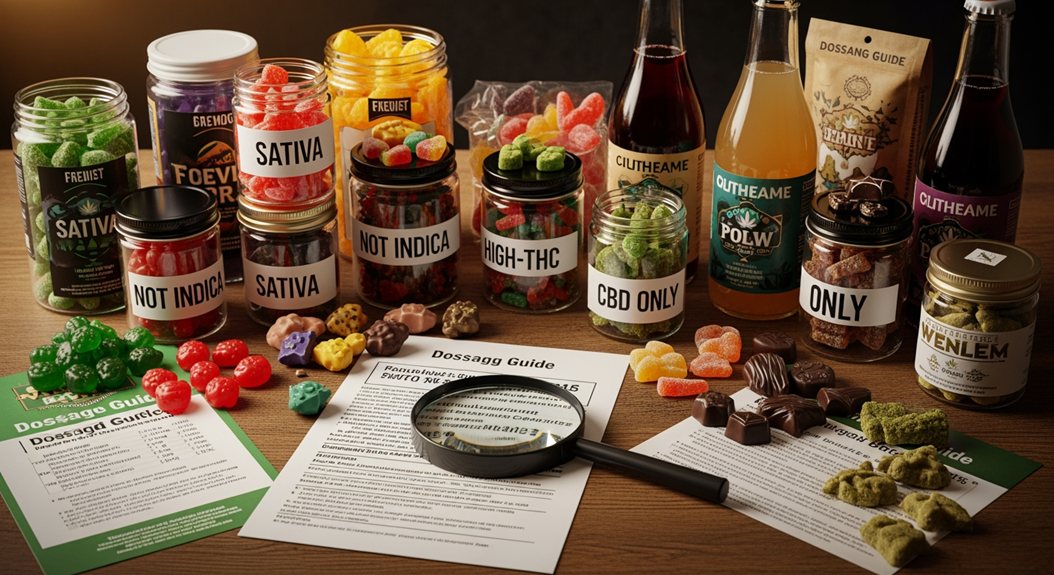
When selecting cannabis edibles, you’ll want to avoid three critical mistakes: ignoring THC-to-CBD ratios, underestimating delayed onset times, and skipping quality checks. Edibles can take up to two hours to kick in, and their effects last far longer than smoking, making overconsumption a real risk. Always start with 2.5–5mg, choose products with clear lab-tested labels from licensed dispensaries, and factor in your personal metabolism and tolerance before dosing. The sections ahead break down each pitfall in detail.
Expert Highlights
- Ignoring THC-to-CBD ratios can lead to overwhelming experiences, as individual body chemistry significantly influences how these compounds interact.
- Overconsumption is a common mistake with edibles, since delayed onset of 30–120 minutes tempts users to redose too early.
- Choosing edibles without verifying lab testing certificates (COAs) risks purchasing low-quality or inaccurately dosed products.
- Selecting the wrong edible type matters; fast-acting options and traditional edibles differ greatly in onset times and effect duration.
- Disregarding personal metabolism and tolerance levels leads to misjudged doses, potentially causing unexpectedly intense or prolonged effects.
What THC-to-CBD Ratios on Cannabis Edible Labels Actually Tell You

When you pick up a cannabis edible and see something like “10mg THC / 2mg CBD” on the label, it’s easy to assume you’re getting a clear picture of what that product will do to you — but the ratio alone doesn’t tell the whole story. THC drives the psychoactive experience, while CBD can soften those effects, yet their interaction depends heavily on your body’s unique chemistry. A 5:1 THC-to-CBD ratio might feel overwhelming for one person and barely noticeable for another. When you’re selecting edibles to share with or recommend to others, understanding that these numbers reflect potential, not guaranteed outcomes, helps you set realistic expectations. Always pair label ratios with honest conversations about tolerance, health conditions, and personal goals before making any recommendations.
Why Cannabis Edibles Hit So Much Harder Than You Expect
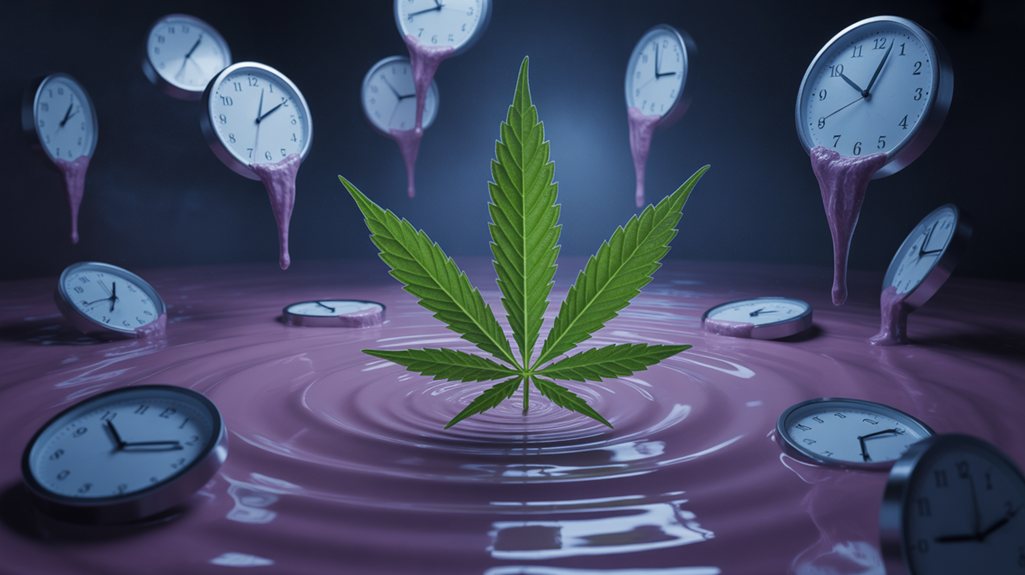
Understanding label ratios gives you a foundation, but it doesn’t prepare you for one of the most common pitfalls with edibles — the delayed and intensified high that catches even experienced cannabis users off guard. When you eat cannabis, your liver converts THC into 11-hydroxy-THC, a more potent compound that crosses the blood-brain barrier more effectively.
| Factor | Edibles vs. Smoking |
|---|---|
| Onset Time | 30–120 minutes vs. seconds |
| Duration | 4–8 hours vs. 1–3 hours |
| Intensity | Noticeably stronger vs. predictable |
This delay tricks many people into taking more before the first dose kicks in. If you’re helping others select edibles, always recommend starting with 2.5–5mg, waiting two full hours, and never doubling doses prematurely.
How Metabolism and Tolerance Shape Your Edibles Experience
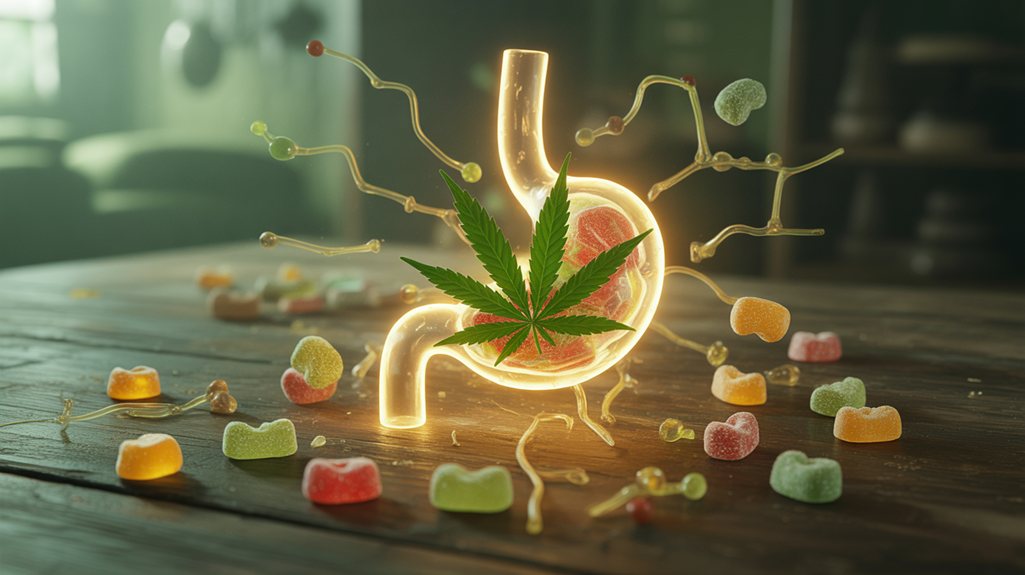
Even if you follow the “start low, go slow” advice perfectly, your body’s unique chemistry can still make edibles unpredictable, because metabolism and tolerance play an enormous role in how intensely and how quickly you feel the effects. Your liver converts THC into a more potent compound called 11-hydroxy-THC, and how efficiently your liver does this varies dramatically from person to person. Someone with a faster metabolism might feel strong effects within 45 minutes, while someone else waits two hours for anything noticeable. Regular cannabis users also develop tolerance, meaning they’ll need higher doses to achieve the same results. Understanding these variables helps you serve your customers or loved ones more responsibly, because recommending a standard dose without considering individual differences can lead to genuinely uncomfortable, overwhelming experiences.
Choosing the Right Type of Cannabis Edible for Your Needs
Not all cannabis edibles work the same way, and choosing the wrong type for your situation can mean the difference between a helpful, enjoyable experience and a frustrating one. Fast-acting options like cannabis-infused beverages or sublingual gummies absorb through your mouth’s lining, delivering effects within 15 to 30 minutes, making them better suited for someone managing acute discomfort. Traditional baked goods and capsules, however, pass through your digestive system and take 60 to 120 minutes to activate, offering longer-lasting relief. When you’re helping someone choose, consider their medical needs, lifestyle, and experience level first. Someone new to edibles benefits most from low-dose, clearly labeled products with predictable onset times, reducing the risk of overconsumption and ensuring they feel supported throughout their experience.
Red Flags That Reveal a Low-Quality Cannabis Edible
Spotting a low-quality cannabis edible before you consume it can protect you from unpredictable effects, wasted money, and potential health risks. When you’re selecting edibles for the people you serve, watch for missing or incomplete lab testing results, called Certificates of Analysis (COAs), which verify potency and safety. Vague dosage labeling, like “contains cannabis” without specific milligram amounts, signals poor manufacturing standards. Unusually low prices often indicate inferior ingredients or inaccurate THC and CBD measurements, leaving consumers with inconsistent experiences. Packaging that lacks proper child-resistant seals or state-required compliance labels suggests the producer cuts corners elsewhere, too. Always choose edibles from licensed dispensaries that prioritize transparency, because trustworthy products carry clear ingredient lists, verified lab results, and honest dosage information your community deserves.
Frequently Asked Questions
Can Cannabis Edibles Interact Negatively With Prescription Medications I Take?
Yes, cannabis edibles can interact negatively with your prescriptions. They’re known to affect how your body processes certain medications, so you’ll want to consult your doctor before incorporating them into your wellness routine.
Are Cannabis Edibles Legally Purchased in One State Valid in Another?
No, they’re not. Cannabis laws vary by state, and you can’t transport edibles across state lines legally, even between two legal states. Always research the specific laws of any state you’re visiting to protect yourself.
How Should Cannabis Edibles Be Stored to Maintain Their Potency?
Store your cannabis edibles in a cool, dark, airtight container to preserve their potency. You’ll want to keep them away from heat, light, and moisture, ensuring they’re safe and effective for those you’re serving.
Is It Safe to Give Cannabis Edibles to Pets for Anxiety?
Don’t give cannabis edibles to your pets. They’re toxic to animals, causing serious harm. Instead, consult your veterinarian for safe, pet-specific anxiety treatments that’ll truly support your furry companion’s well-being without risk.
What Should I Do if I Accidentally Consume Too Many Edibles?
If you’ve consumed too many edibles, don’t panic—stay calm, find a safe space, and hydrate. You’ll want to call a trusted person for support. If symptoms worsen, contact Poison Control at 1-800-222-1222 immediately.