To select the right 16+ SEER2 AC system, you’ll need to match three key factors: efficiency rating, proper sizing through a Manual J load calculation, and the right technology—single-stage or variable-speed—for your climate and budget. A 16+ SEER2 unit can cut cooling costs by 20% to 30% compared to baseline systems, but oversizing or poor ductwork can erase those savings entirely. Each of these factors plays a critical role worth exploring further.
Expert Highlights
- A 16+ SEER2 system offers the best value, reducing cooling costs by 20–30% compared to baseline 14.3 SEER2 units.
- Perform a Manual J load calculation to ensure proper sizing, preventing energy waste from oversized or undersized systems.
- Choose variable-speed over single-stage systems for consistent temperatures, better humidity control, and 30–40% greater energy savings.
- Inspect and seal ductwork before installation, as leaks can waste up to 30% of conditioned air and reduce efficiency.
- Hire NATE-certified technicians who perform post-installation airflow testing and refrigerant charge verification to ensure peak system performance.
What SEER2 Means for Your Energy Bills
When you’re comparing AC systems, the SEER2 rating directly tells you how much you’ll spend on cooling each year. A higher number means your unit converts more electricity into actual cooling power, which translates to lower monthly bills for the families and businesses you serve. For example, upgrading from a 14 SEER2 unit to a 16 SEER2 model can reduce your cooling costs by approximately 14%, saving hundreds of dollars annually depending on your climate and usage patterns. The challenge many people face is justifying the higher upfront cost of a more efficient system. However, those initial savings compound over the unit’s 15- to 20-year lifespan, often recovering the price difference within three to five years while delivering consistent, reliable comfort throughout your space.
Why 16+ SEER2 Is the Sweet Spot for Most Homes

Most homeowners don’t need the absolute highest efficiency rating on the market to get excellent value from their AC investment. The challenge is finding the balance between upfront cost and long-term savings, and that’s where 16+ SEER2 systems shine. While 20+ SEER2 units offer marginal efficiency gains, they often come with considerably higher price tags that take decades to recoup. A 16 SEER2 system, however, delivers meaningful energy savings over the federal minimum without the steep investment. You’ll typically see a noticeable drop in your monthly cooling costs while keeping installation expenses reasonable. For families you’re helping stay comfortable on a budget, this range provides the best return on investment, making it the practical choice for most residential applications.
Size Your 16+ SEER2 System to Your Home
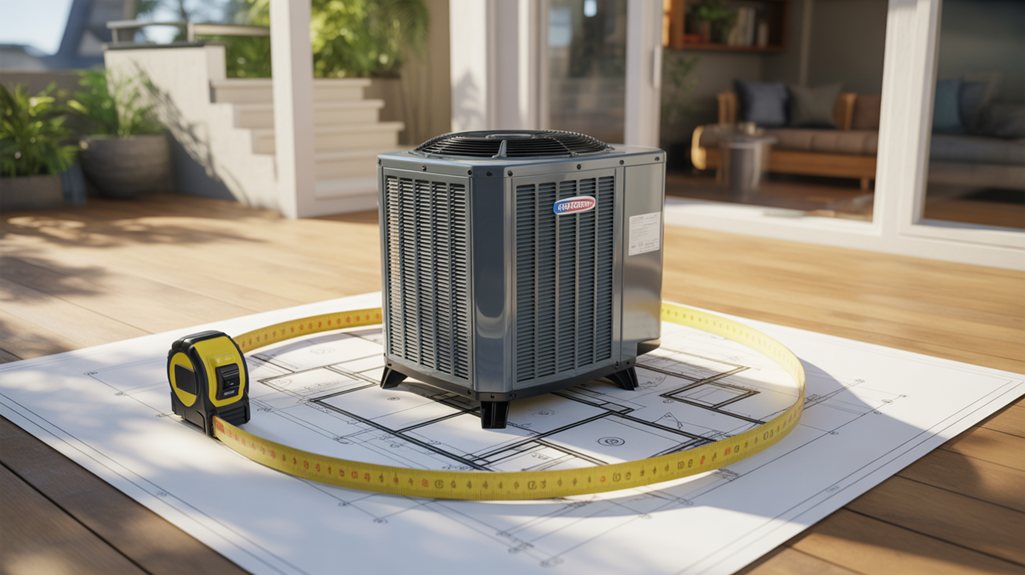
Even the most efficient 16+ SEER2 system won’t perform as expected if it’s the wrong size for your home. An oversized unit cycles on and off too frequently, which wastes energy, increases wear on components, and leaves your home feeling humid and uncomfortable. An undersized system runs constantly without reaching your desired temperature, driving up utility bills and shortening the equipment’s lifespan.
To find the right fit, you’ll need a professional Manual J load calculation. This assessment evaluates your home’s square footage, insulation levels, window placement, ceiling height, and local climate to determine the exact cooling capacity you need, measured in tons or BTUs. When your 16+ SEER2 system matches your home’s specific demands, you’ll experience consistent comfort, lower energy costs, and longer equipment life.
Why Your Ductwork Affects 16+ SEER2 Performance
Getting the right size system is only part of the equation — your ductwork plays an equally important role in how well your 16+ SEER2 air conditioner actually delivers cooled air throughout your home. Leaky, undersized, or poorly insulated ducts can waste up to 30% of your conditioned air before it ever reaches the rooms you’re trying to cool.
When ducts have gaps or loose connections, your system works harder and longer to maintain comfortable temperatures, which directly undermines the efficiency gains you’ve invested in. This means higher energy bills and unnecessary strain on your equipment.
Have a qualified technician inspect your ductwork for leaks, proper sizing, and adequate insulation before installing your new system. Addressing these issues guarantees you’ll experience the full performance and savings your 16+ SEER2 unit was designed to deliver.
Single-Stage vs. Variable-Speed: Which Is Worth It?
When you’re choosing a 16+ SEER2 system, the decision between single-stage and variable-speed technology comes down to how much comfort and efficiency you’re willing to invest in, since a single-stage unit only runs at full blast or shuts off completely, while a variable-speed compressor adjusts its output to match your home’s cooling needs in real time. That difference in operation means a variable-speed system maintains steadier temperatures, removes more humidity, and runs quieter because it cycles less aggressively throughout the day. The upfront cost gap between the two can be significant, often $2,000 to $4,000 more for variable-speed, but lower monthly energy bills and reduced wear on components can offset that investment over the system’s 15- to 20-year lifespan.
Comfort And Efficiency Differences
Although a 16+ SEER2 rating tells you how efficiently a system performs overall, the type of compressor inside that unit dramatically shapes your day-to-day comfort and long-term energy savings. Single-stage compressors run at full capacity then shut off, creating noticeable temperature swings that leave your clients uncomfortable. Variable-speed compressors adjust output continuously, maintaining precise temperatures while using less energy.
Here’s what that difference means in practice:
- Temperature consistency: Variable-speed systems hold indoor temps within 1°F of the thermostat setting, eliminating hot and cold spots throughout the home.
- Humidity control: Longer, gentler run cycles remove considerably more moisture, which matters in humid climates.
- Energy savings: Variable-speed units can reduce cooling costs by 30–40% compared to single-stage models at the same SEER2 rating.
- Noise reduction: Lower operating speeds produce whisper-quiet performance your customers will appreciate.
Long-Term Cost Comparison
How much more does a variable-speed system actually save over its lifetime, and does that savings justify the higher upfront price? When you’re helping customers make this decision, concrete numbers build trust faster than general claims.
| Factor | Single-Stage 16 SEER2 | Variable-Speed 18 SEER2 |
|---|---|---|
| Upfront Cost | $4,500–$6,000 | $7,000–$10,000 |
| Annual Energy Cost | ~$850 | ~$600 |
| 15-Year Total Cost | $17,250–$18,750 | $16,000–$19,000 |
Over fifteen years, the variable-speed system’s energy savings can offset most of its premium. However, the breakeven point typically falls around year eight to ten. If your client plans to stay long-term, you’ll confidently recommend variable-speed. For shorter timelines, a single-stage unit delivers solid efficiency without the extended payback period.
16+ SEER2 Features That Actually Save You Money
A 16+ SEER2 air conditioning system doesn’t just carry a higher efficiency rating—it comes packed with specific technologies that translate directly into lower utility bills and long-term savings. When you’re helping clients choose the right system, understanding these features guarantees you’re recommending real value, not just a number on a spec sheet.
A 16+ SEER2 system isn’t just a rating—it’s real technology that delivers real savings.
- Variable-speed compressors adjust output to match cooling demand, so the system runs longer at lower capacity instead of cycling on and off, which reduces energy waste considerably.
- Advanced coil designs improve heat transfer efficiency, meaning the system extracts more heat per kilowatt consumed.
- Smart thermostat compatibility allows precise scheduling and remote adjustments, preventing unnecessary runtime when spaces are unoccupied.
- Enhanced refrigerant management optimizes flow rates, ensuring the system maintains peak performance even during extreme temperatures.
How Climate Affects Your Ideal SEER2 Rating
Your local climate plays a major role in determining which SEER2 rating will give you the best return on your investment, because a system that makes sense in Phoenix won’t necessarily be the smartest choice in Seattle. If you live in a hot, humid region where your AC runs eight or more months per year, a higher SEER2 rating like 18 or 20 will pay for itself faster through significant energy savings on those relentless cooling bills. In milder climates where you only rely on air conditioning for a few months, a 16 SEER2 system often hits the sweet spot, delivering solid efficiency without the higher upfront cost that you’d struggle to recoup with limited annual use.
Hot Regions Need Higher
Everyone living in a hot climate knows that air conditioning isn’t a luxury—it’s a necessity that runs for months on end, and that extended runtime is exactly why your region’s climate should directly influence the SEER2 rating you choose. When your system operates eight or more months per year, even small efficiency gains translate into significant savings.
- Higher SEER2 ratings (17+) reduce energy costs in regions where cooling accounts for 40–60% of annual utility bills
- Extended equipment life results from systems that don’t strain as hard to maintain comfort during brutal heat
- Serving your household well means choosing equipment matched to your climate’s actual demands
- A 16 SEER2 unit works adequately in moderate climates, but hotter regions benefit from investing higher
Mild Climates Save More
On the flip side, homeowners in milder climates face a different calculation entirely—one where the math often favors a 16 SEER2 system over a higher-rated model. When you’re running your AC only three or four months per year, the energy savings from a 20 SEER2 unit shrink dramatically. You might save $150 annually compared to a 16 SEER2 system, but you’ll pay $2,000 to $4,000 more upfront—meaning your payback period stretches beyond the equipment’s lifespan. That’s money you could invest in serving your household or community in more impactful ways. A 16 SEER2 system still delivers excellent efficiency and comfort for moderate cooling demands. You’ll want to focus your budget instead on proper installation, quality ductwork, and adequate insulation, which maximize performance regardless of SEER2 rating.
Most Reliable 16+ SEER2 Brands Right Now
When you’re investing in a 16+ SEER2 air conditioning system, the brand you choose matters just as much as the efficiency rating itself — because even the most efficient unit won’t save you money if it breaks down repeatedly or requires costly repairs within the first few years.
Right now, several brands stand out for combining high efficiency with proven long-term dependability:
- Carrier — consistently ranks among the most reliable, with strong warranty support and widespread dealer networks
- Trane — known for durable construction that withstands extreme conditions year after year
- Lennox — offers some of the highest SEER2 ratings available while maintaining solid reliability records
- Daikin — the world’s largest HVAC manufacturer, delivering dependable performance backed by extensive research and development
You’ll serve your household best by prioritizing brands with established track records over flashy marketing.
What a 16+ SEER2 System Really Costs
When you’re budgeting for a 16+ SEER2 air conditioning system, you’ll typically face upfront costs ranging from $3,500 to $7,500 or more depending on the brand, capacity, and installation complexity, which can feel like a significant investment compared to lower-efficiency models that cost $1,000 to $2,000 less. The real financial picture becomes clearer, however, when you factor in long-term energy savings, because a 16+ SEER2 unit can reduce your cooling costs by 20% to 30% compared to a baseline 14.3 SEER2 system, meaning you could recoup that price difference within five to eight years depending on your climate and usage. Understanding both the upfront purchase pricing and the ongoing savings helps you make a decision based on total cost of ownership rather than sticker price alone.
Upfront Purchase Pricing
Although the long-term energy savings of a 16+ SEER2 air conditioning system are significant, the upfront purchase price remains the biggest hurdle for most homeowners. Understanding what drives these costs helps you make a confident investment that serves your household well for years to come.
Several factors directly influence your total upfront expense:
- Equipment tier: Premium brands with variable-speed compressors cost $2,000–$4,000 more than basic single-stage models
- System size: A properly sized unit, measured in tons of cooling capacity, prevents you from overpaying for equipment you don’t need
- Installation complexity: Homes requiring new ductwork, electrical upgrades, or refrigerant line modifications will see higher labor costs
- Regional pricing: Local demand, permit fees, and contractor availability can shift your total investment by 15–25%
Long-Term Energy Savings
Because the sticker price of a high-efficiency system can feel intimidating, it’s easy to overlook the savings that accumulate month after month on your energy bills. A 16+ SEER2 unit uses considerably less electricity than older, lower-rated systems, which means you’ll spend less to cool the same square footage. For example, upgrading from a 14 SEER2 system to a 16 SEER2 model can reduce your cooling costs by roughly 12–15% each year.
Over a typical 15-year lifespan, those monthly reductions add up to thousands of dollars in savings. You should calculate your projected return on investment by comparing your current energy usage against estimated costs with the new system. When you factor in available tax credits and utility rebates, the higher upfront investment often pays for itself faster than you’d expect.
Find the Right Installer for Your 16+ SEER2 System
Finding the right installer can make or break your investment in a 16+ SEER2 air conditioning system, because even the most efficient equipment won’t deliver its rated performance if it’s installed incorrectly. Poor installation leads to refrigerant leaks, airflow problems, and efficiency losses that cost you money for years.
To protect your investment and the people you serve, look for these qualities in an installer:
- NATE certification, which confirms the technician has passed rigorous industry testing on proper installation techniques
- Manufacturer-specific training for the brand you’ve selected, ensuring they understand its unique requirements
- A written load calculation using Manual J, so your system is sized precisely for your space
- Post-installation verification including airflow testing and refrigerant charge confirmation to guarantee peak performance from day one
Frequently Asked Questions
How Long Does a 16+ SEER2 Air Conditioning System Typically Last?
You can expect your 16+ SEER2 air conditioning system to last 15–20 years when you maintain it properly. Regular filter changes, annual tune-ups, and prompt repairs help you maximize its lifespan for those you serve.
Can I Mix a 16+ SEER2 Condenser With My Existing Furnace?
You can mix a 16+ SEER2 condenser with your existing furnace, but you’ll likely sacrifice efficiency. To deliver the best comfort to those you serve, match both components so they’re fully compatible.
Does a 16+ SEER2 System Qualify for Federal Tax Credits or Rebates?
Yes, you can qualify for federal tax credits up to $2,000 when you install a 16+ SEER2 system that meets Energy Star requirements. Check with your contractor about available local utility rebates too.
How Often Should a 16+ SEER2 AC System Be Professionally Serviced?
You should schedule professional maintenance for your 16+ SEER2 AC system at least twice a year—once before cooling season and once before heating season—to keep it running efficiently for those you serve.
Will a 16+ SEER2 System Operate More Quietly Than My Current Unit?
Yes, you’ll likely notice quieter operation. Today’s 16+ SEER2 systems feature variable-speed compressors and improved fan designs that reduce noise considerably, helping you maintain a peaceful, comfortable environment for everyone you serve.