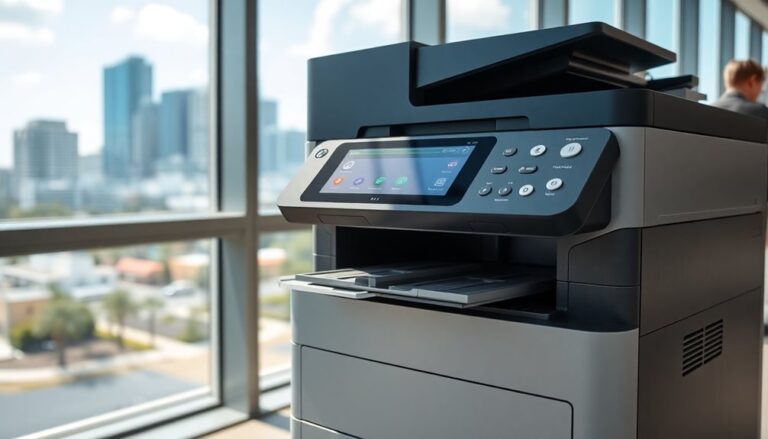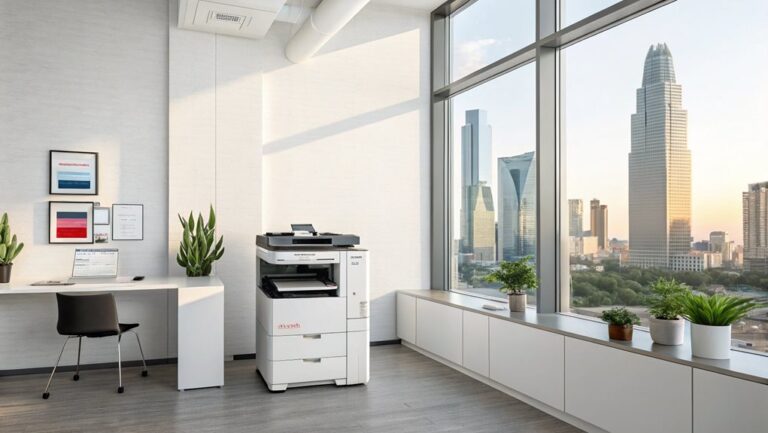

When it comes to selecting the right printer for your needs, several key features demand careful consideration. Print speed, output quality, connectivity options, and security measures all play pivotal roles in determining the effectiveness and efficiency of your printing solution. While each of these factors carries significant weight, their relative importance can vary depending on your specific requirements and use case. Understanding how these elements interact and contribute to overall performance is essential for making an informed decision. As we explore these features in detail, you’ll gain valuable insights to guide your printer selection process.
Print Speed Matters
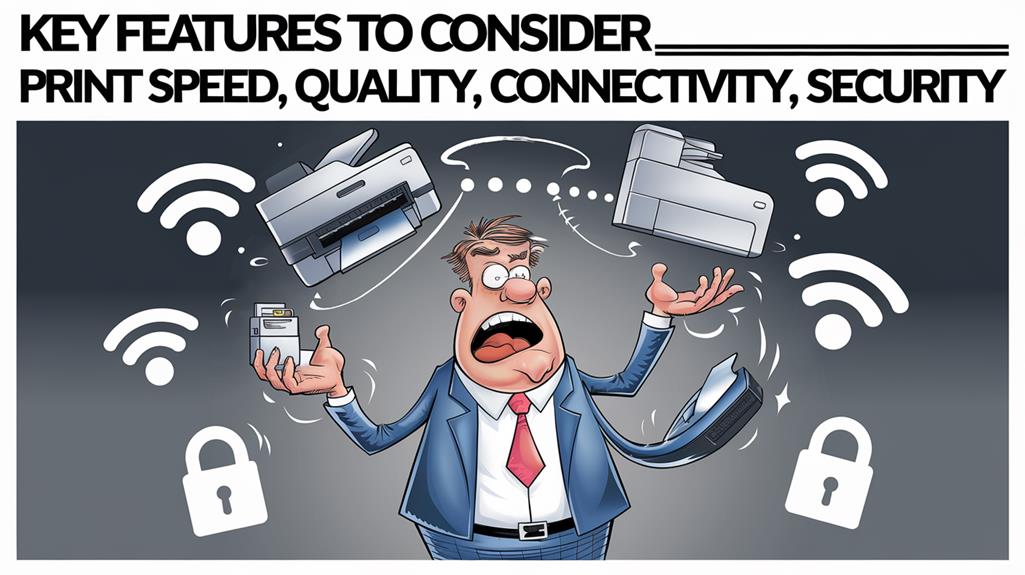
Speed demons know that when it comes to printers, faster is often better. Print speed, measured in pages per minute (ppm), is a vital factor for businesses and individuals who value efficiency. High-volume printing environments, such as busy offices or print shops, benefit greatly from faster print speeds, reducing wait times and increasing productivity.
When evaluating print speed, consider both black-and-white and color printing rates, as they often differ. Many printers boast impressive speeds for text documents but slow down considerably for complex graphics or high-quality photo prints. For instance, devices like the Xerox PrimeLink C9070 are designed to handle high-volume printing requirements without compromising on speed.
For those who frequently print large documents or require quick turnaround times, investing in a printer with higher ppm ratings can be a game-changer. However, it’s important to balance speed with other factors like print quality and cost per page. Some printers sacrifice quality for speed, while others maintain excellent output at high speeds. Additionally, faster printers may consume more energy and require more frequent maintenance, which is why services like JR Copier Services can be beneficial to guarantee superior equipment performance.
Consider your specific needs and printing volume to determine the ideal balance between speed and other features, making sure you select a printer that aligns with your workflow and expectations.
Quality of Output
The crispness of a printed page can make or break a professional document. When selecting a printer, considering the quality of output is essential for ensuring your work looks its best. High-resolution printing capabilities, measured in dots per inch (dpi), determine the sharpness and detail of text and images. For those who value precision in their prints, look for printers offering at least 1200 dpi for crisp, professional results.
Choosing an advanced printer with multiple ink cartridges for better color accuracy, as seen in top brands like those offered by MN Copier Services, is especially important for businesses dealing with graphics or photography. These printers produce a wider color gamut, resulting in more vibrant and true-to-life prints.
Consider these key factors when evaluating print quality:
- Resolution (dpi) for sharp text and images
- Color accuracy and vibrancy
- Consistency across multiple prints
- Paper handling capabilities for various media types
Connectivity Options
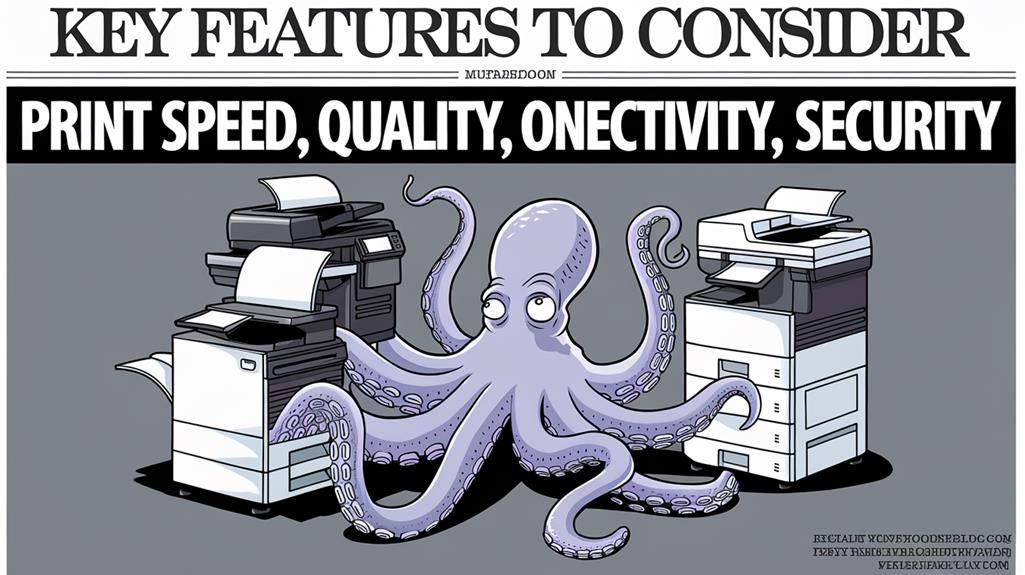
Versatility in connectivity has become an essential factor when selecting a printer for modern workplaces. Today’s printers offer a range of options to suit diverse user needs and environments. Wi-Fi connectivity allows for wireless printing from multiple devices, enabling team members to send print jobs from anywhere in the office. For those concerned with network security, Ethernet connections provide a stable and secure option for integrating printers into existing networks.
USB ports remain a staple, offering direct connections for quick prints from laptops or thumb drives. Many printers now feature NFC (Near Field Communication) technology, allowing users to print simply by tapping their mobile devices. Cloud printing services, such as Google Cloud Print and Apple AirPrint, have become increasingly popular, facilitating printing from remote locations and supporting our increasingly mobile workforce.
For offices embracing smart technology, printers with voice assistant compatibility can be controlled through devices like Amazon Alexa or Google Home. When choosing a printer, consider which connectivity options align best with your team’s workflow and technological ecosystem to guarantee seamless integration and maximize productivity.
Security Features
Security concerns in printing have become essential as cyber threats continue to evolve. Modern printers are no longer standalone devices but sophisticated network endpoints that require robust protection. Organizations must prioritize printer security to safeguard sensitive information and maintain data integrity.
Key security features to evaluate in printers include:
- Secure boot: Guarantees only authentic firmware is loaded during startup
- Data encryption: Protects information in transit and at rest
- User authentication: Restricts access to authorized personnel
- Pull printing: Holds print jobs until released at the device
These features work together to create a thorough security framework for your printing environment. By implementing secure printing practices, you join a community of forward-thinking professionals who prioritize data protection. Encrypted hard drives prevent unauthorized access to stored documents, while secure erase functions permanently remove sensitive information. Network security protocols, such as IPsec and SNMPv3, further enhance protection against potential threats. Regular firmware updates are vital to address newly discovered vulnerabilities and maintain peak security. By investing in printers with advanced security features, you demonstrate your commitment to safeguarding your organization’s valuable information assets and fostering a culture of cybersecurity awareness.
Frequently Asked Questions
How Do Different Paper Types Affect Printer Performance and Output Quality?
Different paper types greatly influence printer performance and output quality. Thicker papers may slow printing, while glossy or textured papers can enhance image vibrancy. Choosing the right paper guarantees the best results for your specific printing needs.
What Is the Average Lifespan of a Modern Printer?
The average lifespan of a modern printer typically ranges from 3 to 5 years for home use and 5 to 8 years for office use. Proper maintenance, usage patterns, and print volume notably influence a printer’s longevity, fostering a sense of reliability.
Can Printers Be Upgraded to Improve Speed or Quality After Purchase?
Printer upgrades are generally limited, but some improvements are possible. Users can often enhance print quality by using premium paper and ink. Software updates may optimize performance, while adding RAM can boost speed in certain models.
How Do Environmental Factors Like Humidity Impact Printing Results?
Environmental factors, particularly humidity, greatly impact printing results. High humidity can cause paper to absorb moisture, leading to curling, smearing, and potential paper jams. Conversely, low humidity may cause static electricity, affecting print quality and paper handling.
Are There Eco-Friendly Options for Ink or Toner Cartridges?
Yes, eco-friendly ink and toner cartridges are available. Many manufacturers offer recycled or remanufactured options, as well as cartridges made from sustainable materials. These alternatives reduce waste and environmental impact while maintaining print quality for our community of conscious consumers.