
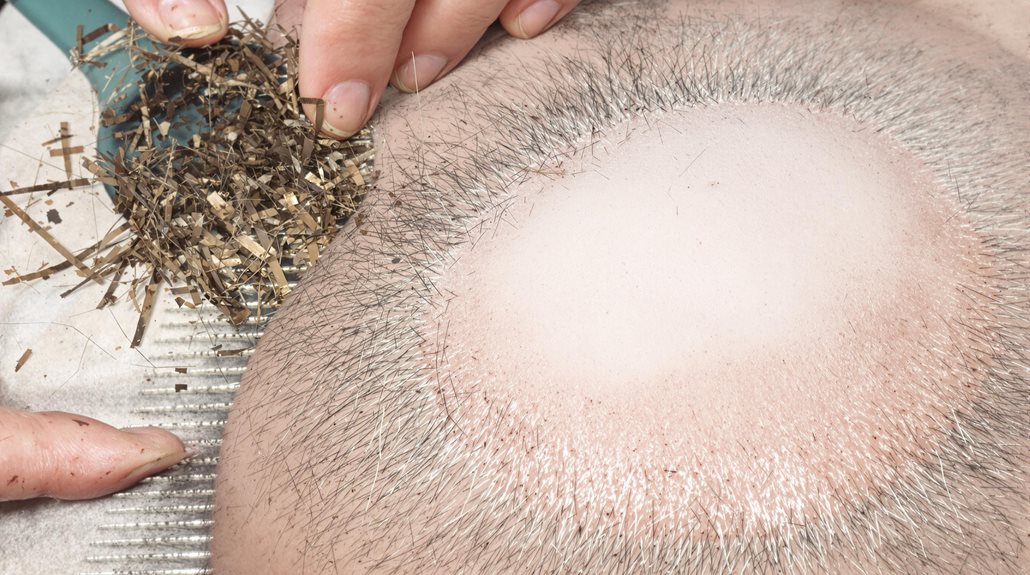
When first experiencing alopecia, understanding its profound emotional impact, which includes feelings of shock, fear, sadness, anxiety, and depression, is essential. Common myths, such as the belief that alopecia is incurable or contagious, exacerbate these emotions. Recognizing the variety of treatment options, such as corticosteroids and JAK inhibitors, along with support systems like therapy and advocacy groups, can greatly alleviate challenges. Further exploration can provide additional insights into managing alopecia’s multifaceted impact.
Expert Highlights
- Hair loss impacts not just physically but emotionally and psychologically.
- Support systems like therapy and groups are crucial for coping.
- Knowledge of treatment options can ease emotional burdens.
- Many misconceptions surround alopecia, so educating yourself helps.
- Resilience grows over time with support and adaptation.
Understanding the Emotional Impact of Alopecia
The profound emotional impact of alopecia is a reality that besets individuals grappling with hair loss, presenting a complex interplay of psychological distress and social vulnerability.
This condition can elicit a range of emotions, including shock, fear, sadness, anxiety, and depression, as it considerably affects self-esteem and confidence.
Many individuals face challenges in coping with societal misconceptions about alopecia, often feeling isolated and self-conscious due to misunderstood causes or negative reactions from others.
As a result, seeking support and fostering a supportive environment is essential to help individuals manage these emotional burdens and gradually build resilience over time.
Debunking Common Myths and Misconceptions
What are some of the most prevalent misconceptions surrounding alopecia and hair loss that individuals often struggle to distinguish from fact?
Many myths circulate about alopecia, particularly regarding its treatment possibilities and causes. Understanding these misconceptions can help individuals navigate the condition more effectively.
Some common misconceptions include:
- Alopecia is incurable and untreatable.
- The condition only affects the scalp.
- Hair loss is purely due to genetic factors.
- Alopecia primarily affects unhealthy individuals.
- The condition is contagious.
Debunking these myths allows for better understanding and management of the condition, promoting more informed decisions regarding treatment and support.
Exploring Treatment Options and Support Systems**
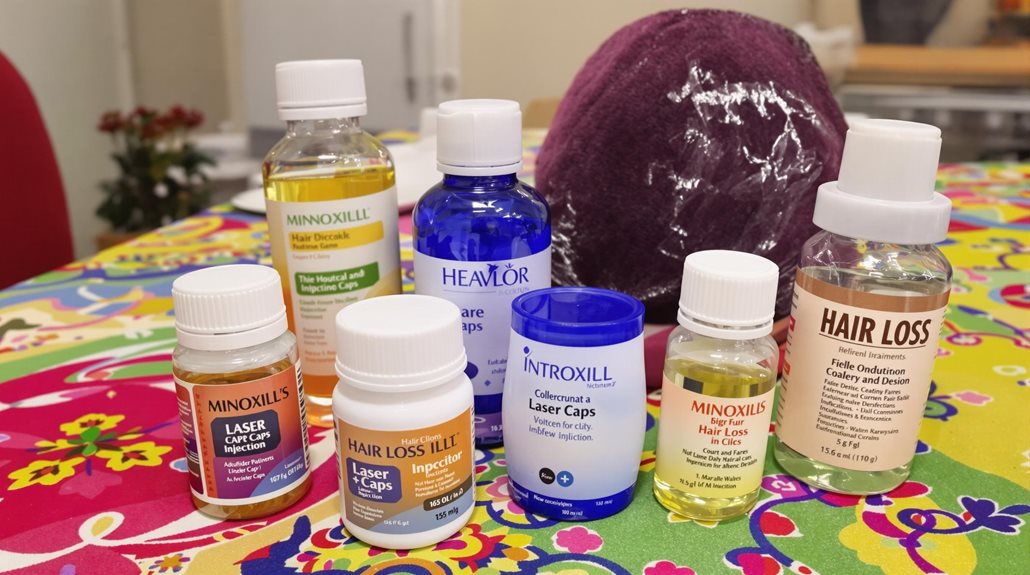
Maneuvering the complexities of alopecia requires an extensive understanding of its treatment options and support systems. Effective treatments for alopecia include corticosteroids, which can be applied topically or injected to stimulate hair regrowth, and minoxidil to maintain it.
For more severe cases, JAK inhibitors have proven beneficial in regrowing hair. Support systems often involve addressing psychological impacts, as hair loss can affect self-perception.
Supportive networks, such as therapy and advocacy groups, provide emotional guidance and a sense of community for those experiencing alopecia. These combined approaches focus on both physical and emotional well-being, offering thorough care to individuals facing hair loss.
Frequently Asked Questions
Can Diet Affect Alopecia?
Diet can influence alopecia by modulating inflammation. Anti-inflammatory diets rich in antioxidants and nutrients likeOmega-3s, vitamin D, and zinc may help manage symptoms, while pro-inflammatory foods may exacerbate them.
Does Stress Increase Hair Loss?
Stress can increase hair loss by disrupting the hair growth cycle, particularly causing telogen effluvium and potentially aggravating conditions like alopecia areata. Elevated cortisol levels affect hair follicle stem cells, leading to increased shedding.
Can I Inherit Alopecia?
Yes, alopecia can be inherited. Some forms, like androgenetic alopecia, have a strong genetic component, while conditions like alopecia areata may have a hereditary aspect through multiple-gene interactions and autoimmune factors.
Does Alopecia Affect Nails?
Alopecia areata can affect nails in up to 66% of patients, causing changes like pitting, ridging, and brittleness. These alterations may indicate a more severe form of the disease and can occur independently of hair loss.
Is Alopecia Triggered by Age?
Alopecia areata isn’t triggered by age, but it often begins in teens or young adults. Genetics and other factors play more significant roles in its onset than age itself.
Expert Final Thougts
In summary, understanding the extensive challenges of alopecia and hair loss involves recognizing its emotional impact, dispelling prevalent myths, and exploring treatment and support options. The condition can deeply affect self-esteem and mental well-being, often leading to feelings of distress and isolation. Connecting with support groups and seeking therapeutic guidance can provide vital emotional support, while medical interventions offer hope for managing hair loss effectively.