Before you install an energy-efficient air conditioner, you’ll want to check your insulation and ductwork, since leaky ducts alone can waste up to 30% of your cooling output. Next, calculate your cooling load using Manual J to get the right-sized unit, then compare SEER ratings—a SEER 20 model uses roughly 25% less energy than a SEER 15. You’ll also need to hire a NATE-certified installer and file for tax credits worth up to $2,000, and each step below breaks down exactly how.
Expert Highlights
- Assess your home’s insulation and seal ductwork to prevent up to 30% energy loss before installing a new unit.
- Calculate cooling load using Manual J to correctly size the AC unit and avoid energy waste.
- Choose a high-SEER-rated system, such as a heat pump or mini-split, matched to your climate and home setup.
- Hire a NATE-certified, licensed installer and compare written estimates from multiple contractors before committing.
- After installation, use a programmable thermostat, maintain filters regularly, and claim available rebates and tax credits.
Check Your Insulation and Ductwork First
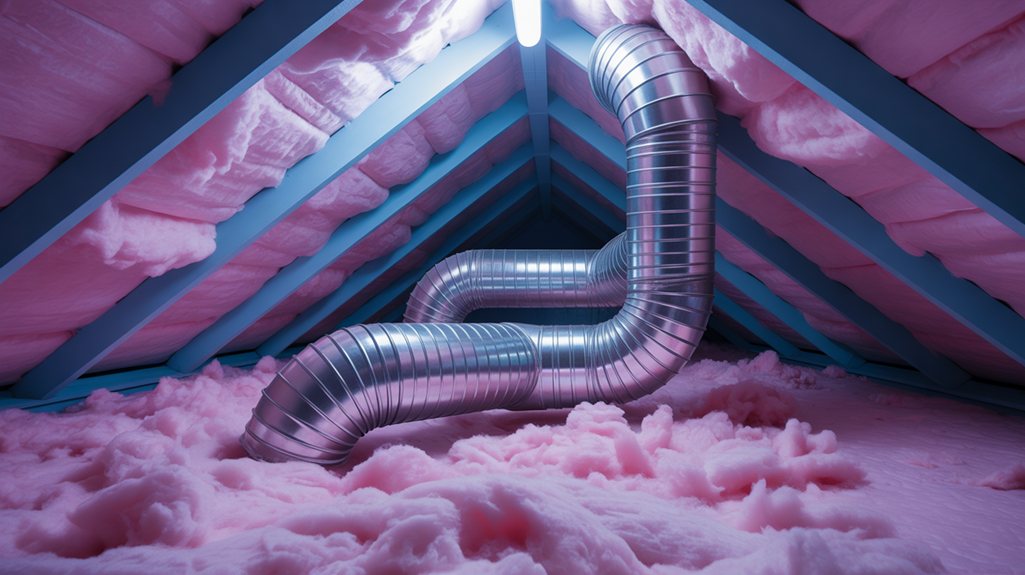
Before you invest in a new energy-efficient air conditioner, there’s a critical step most homeowners overlook—checking your home’s insulation and ductwork. Poor insulation allows cooled air to escape through walls, attics, and crawl spaces, forcing your system to work harder and driving up energy costs. Leaky ducts—the metal or flexible tubes that carry air throughout your home—can waste up to 30% of your cooling output.
Start by hiring a certified HVAC technician to perform a duct leakage test and inspect your insulation’s R-value, which measures its resistance to heat flow. Sealing duct joints with mastic sealant and adding insulation where it’s thin guarantees your new air conditioner delivers maximum efficiency, keeping the families you care about comfortable while reducing unnecessary energy waste.
Choose the Right Size Energy-Efficient AC
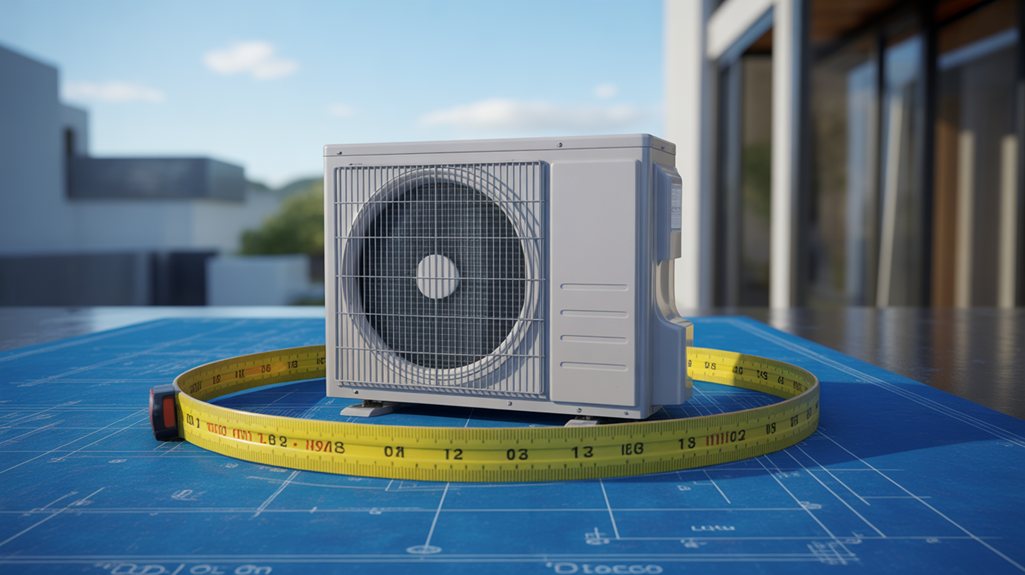
Before you shop for an energy-efficient air conditioner, you’ll need to calculate your cooling load—the amount of cooling power required to keep your space comfortable—because an undersized unit will run constantly without adequately cooling your home, while an oversized unit will cycle on and off too frequently, wasting energy and leaving you with uneven temperatures. Start by measuring your room dimensions, including length, width, and ceiling height, and then factor in variables like window size, sun exposure, and the number of occupants, since each of these elements directly affects how hard your AC has to work. Once you’ve determined the correct cooling load in BTUs (British Thermal Units), you can confidently match it to an appropriately sized unit that operates efficiently, lowers your energy bills, and maintains consistent comfort throughout the space.
Calculate Cooling Load
Everyone wants their new energy-efficient air conditioner to perform at its best, but that won’t happen if you pick the wrong size unit for your space. Calculating your cooling load guarantees you’re recommending the right system for the people you serve. An undersized unit will struggle constantly, while an oversized one wastes energy through short cycling.
To calculate cooling load accurately, you’ll need to assess these key factors:
- Square footage of the space, including ceiling height and room layout
- Window size, placement, and sun exposure, which greatly affect heat gain
- Insulation quality in walls, attics, and ductwork
- Occupancy levels and heat-generating appliances, such as ovens or computers
Using Manual J calculations gives you precise results, helping you match each space with its ideal cooling capacity.
Match Room Dimensions
Once you’ve nailed down your cooling load, the next step is matching that number to a unit that fits your room dimensions. An oversized AC cools too quickly without removing enough humidity, leaving occupants uncomfortable and driving up energy costs. An undersized unit runs constantly, wears out faster, and never reaches the desired temperature.
To avoid these problems, measure your room’s length, width, and ceiling height to determine its volume in cubic feet. Then compare that volume against the manufacturer’s recommended coverage area, which you’ll find listed in BTUs on the product specification sheet. For example, a 300-square-foot room with standard eight-foot ceilings typically needs a 7,000 BTU unit. When you size the system correctly, you’ll deliver consistent comfort while keeping energy bills low for the people you serve.
Pick the Right SEER Rating for Your Climate
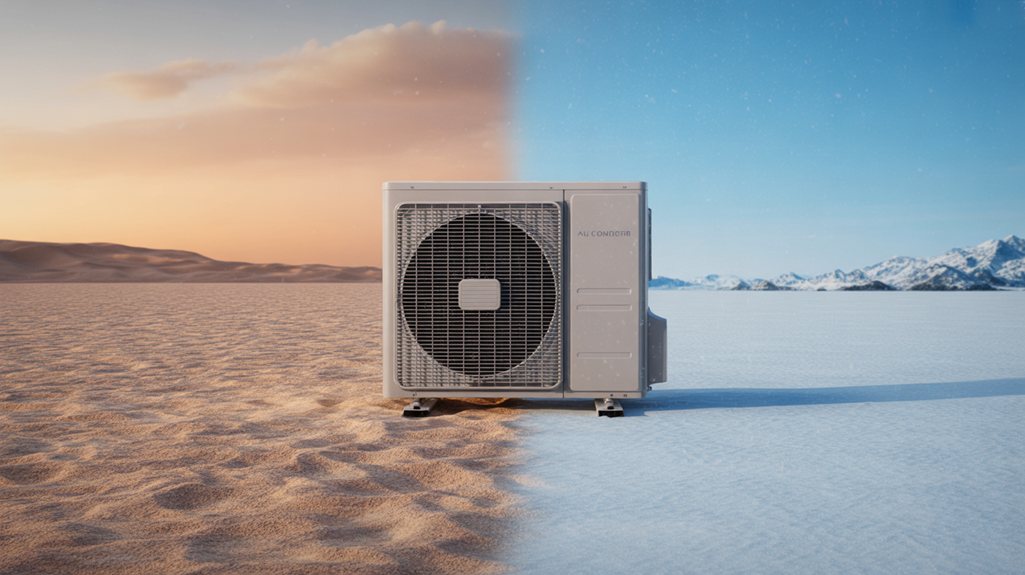
Once you’ve chosen the right size unit, your next challenge is understanding SEER ratings — which stands for Seasonal Energy Efficiency Ratio and measures how efficiently an air conditioner converts electricity into cooling over an entire season, with higher numbers meaning lower energy bills. Your climate zone plays a critical role in this decision, because a homeowner in Phoenix will benefit far more from a high-SEER unit (20+) than someone in Seattle, where the AC runs only a few weeks per year and the energy savings may never offset the higher upfront cost. By balancing your local climate demands against your budget, you can pinpoint the SEER rating that delivers the best long-term value without overspending on efficiency you won’t fully use.
Understanding SEER Rating Basics
The SEER rating — which stands for Seasonal Energy Efficiency Ratio — is the single most important number you’ll encounter when shopping for a new air conditioner, yet many homeowners don’t fully understand what it means or how it should influence their decision. Simply put, it measures how efficiently your unit converts electricity into cooling over an entire season.
Here’s what you need to know:
- Higher SEER ratings mean lower energy bills, saving you hundreds annually.
- The current federal minimum is SEER2 15 for most regions.
- Ratings range from 15 to 25+, with diminishing returns above 20 in mild climates.
- A unit rated SEER 20 uses roughly 25% less energy than a SEER 15 model.
Understanding these basics helps you serve your household’s comfort and budget wisely.
Climate Zone Considerations
Because your local climate plays a major role in how hard your air conditioner works, choosing the right SEER rating isn’t a one-size-fits-all decision. If you live in a hot, humid region like the Southeast, your system runs longer and more frequently, so investing in a higher SEER rating (18–26) delivers significant energy savings that benefit both your household and the families you serve. In milder climates, a 15–16 SEER unit often provides the efficiency you need without overspending.
The U.S. Department of Energy divides the country into climate zones with different minimum SEER requirements. Check your zone’s standards first, then consider upgrading beyond the minimum to reduce utility costs and lower your community’s overall carbon footprint.
Balancing Efficiency and Cost
Knowing your climate zone gives you a solid starting point, but the real challenge is figuring out how much efficiency you can afford upfront—and how much you’ll save over time.
A higher SEER rating means lower monthly bills, but it also means a bigger initial investment. To strike the right balance, consider these steps:
- Compare the price difference between a 16-SEER and a 20-SEER unit for your home’s size.
- Calculate annual energy savings using your local utility rates and average cooling hours.
- Determine your breakeven point—the number of years before savings offset the higher purchase cost.
- Factor in available rebates from utility companies or federal tax credits that reduce upfront expenses.
When you’re serving others, stretching every dollar matters.
Compare Central, Mini-Split, and Heat Pump Systems
When you’re shopping for an energy-efficient air conditioner, understanding the differences between central, mini-split, and heat pump systems can save you thousands of dollars over the unit’s lifetime. Central systems cool entire homes through ductwork but lose up to 30% of energy through leaky ducts. Mini-split systems eliminate this problem by delivering air directly into individual rooms, giving you precise control over which spaces you’re cooling.
Heat pumps offer the most versatile solution because they both cool and heat your home using one system. They transfer heat rather than generate it, which cuts energy consumption by approximately 50% compared to traditional furnaces. If you’re helping clients or family members choose wisely, recommend heat pumps for moderate climates and mini-splits for homes without existing ductwork.
Hire a Trusted Installer for Your Energy-Efficient AC
Even the most energy-efficient air conditioner won’t deliver its promised savings if it’s installed incorrectly, which is why choosing the right installer matters just as much as choosing the right unit. A poorly sized or improperly sealed system can waste up to 30% of its cooling capacity, driving up energy bills for the families you’re trying to help.
To protect your investment and the people you serve, follow these steps:
- Verify NATE certification, which confirms the technician has passed industry-standard competency exams.
- Request proof of licensing and insurance to shield yourself from liability.
- Ask for at least three recent references from similar installations.
- Get written estimates from multiple contractors, comparing scope of work rather than price alone.
Claim Rebates and Tax Credits on Your New AC
Once you’ve locked in a qualified installer, the next step is making sure you’re not leaving money on the table — because federal, state, and local programs can greatly reduce the upfront cost of your new energy-efficient air conditioner. The federal Inflation Reduction Act offers tax credits up to $2,000 for qualifying high-efficiency systems, including heat pumps that meet ENERGY STAR standards. Many state programs and utility companies also provide rebates ranging from $200 to $1,500, depending on your location and equipment type.
Don’t let paperwork discourage you — most manufacturers include eligibility documentation with your purchase. Save all receipts, AHRI certification numbers, and installer invoices. File IRS Form 5695 when claiming federal credits. By taking these steps, you’ll stretch your budget further while helping others see the value of energy-conscious decisions.
Prep Your Home Before Installation Day
A few simple steps before your installer arrives can make the difference between a smooth, on-time installation and a frustrating day filled with delays — so it’s worth spending an hour or two getting your home ready.
A little prep before installation day goes a long way toward keeping everything on schedule and stress-free.
- Clear a path from your front door to the indoor unit location, removing furniture and breakables so technicians can move freely.
- Trim vegetation at least two feet around the outdoor unit site, ensuring proper airflow and easy access.
- Secure pets in a separate room to protect both your animals and the installation crew.
- Confirm electrical panel access by removing any stored items blocking the breaker box, since technicians will need to connect new wiring safely.
Dial in Your Thermostat to Maximize AC Efficiency
Because even the most advanced air conditioner can waste energy if it’s paired with poor thermostat habits, learning how to set and manage your thermostat properly is one of the easiest ways to cut cooling costs without sacrificing comfort. Many homeowners set their thermostats too low, forcing systems to work harder than necessary.
Start by setting your thermostat to 78°F when you’re home, which balances comfort and efficiency. When you’re away serving your community or helping others, raise it by 7–10 degrees to reduce energy use by up to 10% annually. If you’ve installed a programmable or smart thermostat, create schedules that align with your household’s daily routines. This facilitates your system running only when needed, extending equipment life and lowering monthly utility bills for your family.
Keep Your Energy-Efficient AC Running Strong for Years
Setting your thermostat correctly is a smart first step, but your air conditioner still needs regular care to deliver peak performance over its full lifespan. Without consistent maintenance, even the most efficient system will lose cooling power and drive up your energy bills. By following a simple routine, you’ll protect your investment and keep the people you serve comfortable year-round.
- Replace or clean filters every 30–90 days to prevent restricted airflow, which forces your system to work harder and consume more energy.
- Schedule professional tune-ups annually so a technician can catch refrigerant leaks or worn components before they become costly repairs.
- Clear debris from outdoor condenser units to maintain proper heat exchange and prevent overheating.
- Inspect ductwork for leaks that can waste up to 30% of cooled air.
Frequently Asked Questions
How Long Does a Typical Energy-Efficient Air Conditioner Installation Take to Complete?
You’ll typically complete an energy-efficient air conditioner installation in four to eight hours. If you’re helping a neighbor or community member, you’ll want to plan a full day so you can guarantee everything’s done right.
Can I Install an Energy-Efficient Air Conditioner in a Historic Home?
Yes, you can install an energy-efficient air conditioner in a historic home. You’ll want to consult preservation guidelines and work with a qualified HVAC specialist who’ll help you protect the home’s character while serving occupants’ comfort.
Do Energy-Efficient Air Conditioners Work Well With Solar Panel Systems?
Yes, they’re a great match! You’ll reduce energy costs and your carbon footprint when you pair energy-efficient air conditioners with solar panels, helping you steward resources wisely while keeping others comfortable in your home.
What Is the Average Lifespan of an Energy-Efficient Air Conditioner?
You can expect your energy-efficient air conditioner to last 15 to 20 years with proper maintenance. By keeping it well-serviced, you’ll guarantee it reliably serves your household’s comfort needs for years.
Are Energy-Efficient Air Conditioners Significantly Quieter Than Traditional AC Units?
You’ll find that energy-efficient air conditioners typically operate much quieter than traditional units. They use variable-speed compressors that reduce noise, creating a more peaceful environment for those you’re caring for.