Importance of Regular Chimney Inspections: Safety and Efficiency at Home
In the realm of home safety and efficiency, the significance of regular chimney inspections often goes unnoticed. These inspections, ideally conducted annually, serve as the first line of defense against potential fire hazards, structural issues, and the silent danger of carbon monoxide exposure. Moreover, they pave the way for optimal energy utilization, thus contributing to an environmentally-friendly household. As we examine the intricate details of these inspections and their implications, the question arises: are we, as homeowners, fully aware of and prepared for these risks and benefits?

Understanding Chimney Inspections
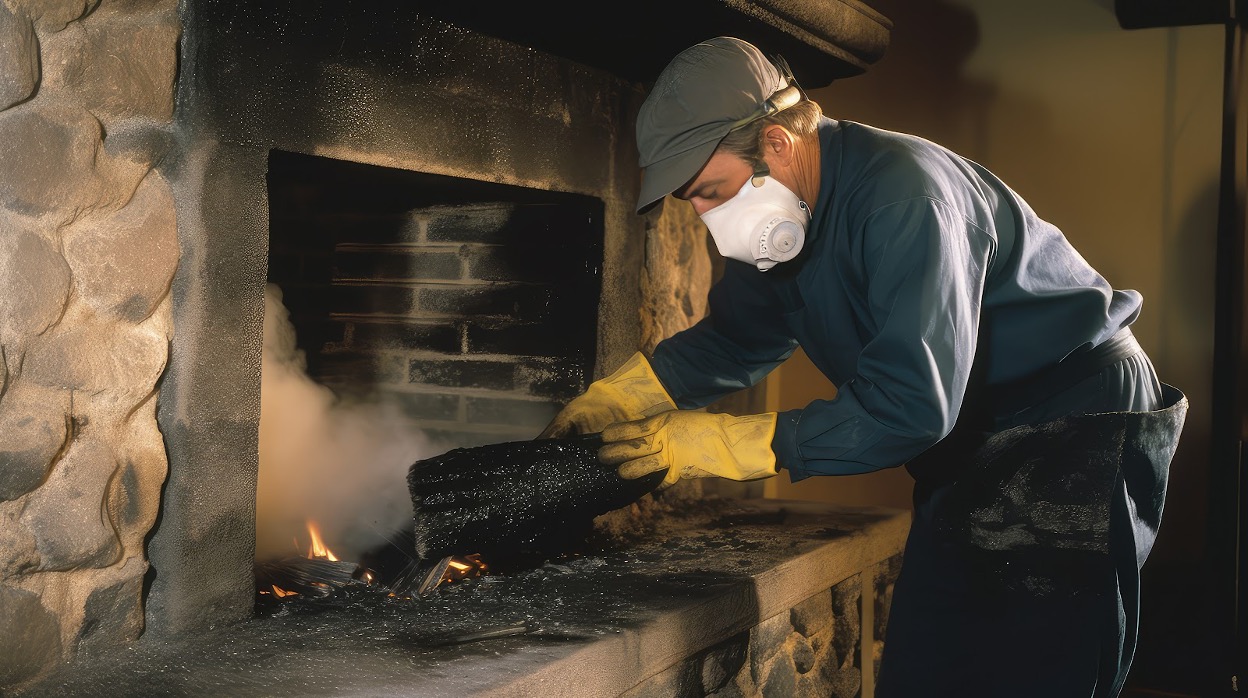
Understanding chimney inspections is crucial to ensure the safety and efficiency of your home heating system. The inspection process involves a thorough check of all the accessible internal and external parts of the chimney. This includes the flue, liner, smoke chamber, damper, and firebox. It is designed to identify any potential issues that could compromise the functionality or safety of your system.
Chimney types play a vital role in the inspection process, as different types require unique inspection techniques. Masonry chimneys, made from bricks, stones or blocks, need to be inspected for cracks, loose bricks or deteriorating mortar. Metal chimneys, on the other hand, require checks for rust, dents or missing parts.
Inspections also cover the chimney’s structural integrity and the condition of its various components. This ensures that the chimney’s design aligns with the standard building codes and safety regulations. It is important to note that chimney inspections should be carried out at least once a year or whenever any modifications or repairs are made to the system. Proper understanding and execution of these inspections will greatly enhance the safety and efficiency of your home heating system.
Fire Hazards and Chimneys
What are the potential fire hazards associated with chimneys and how can they be effectively mitigated? The primary risks involve chimney fires, often traced back to soot accumulation dangers. Soot, a byproduct of burning wood, accumulates on the inner walls of the chimney. When not cleaned regularly, this buildup can ignite, causing a chimney fire.
Chimney fires statistics paint a grim picture. The National Fire Protection Association reports that failure to clean chimneys contributes to 28% of all home heating fires. This highlights the urgency for regular chimney inspections and cleaning to prevent such hazards.
Effective mitigation involves professional chimney cleaning to remove soot buildup and potential blockages. Moreover, homeowners should consider using seasoned wood, which burns hotter and leaves less soot. Installing a chimney cap can prevent animal intrusion, another cause of blockages that can lead to fires.
The use of smoke alarms and carbon monoxide detectors also plays a crucial role in fire safety. These devices provide early warnings, allowing time for occupants to evacuate and the fire services to respond. Hence, chimney safety is not just about prevention, but also preparedness.
Improving Home Heating Efficiency
Improving home heating efficiency is crucial both for cost savings and environmental considerations. To do so, we will first examine methods for optimizing heat distribution within the home. Next, we will focus on strategies for reducing energy consumption in the context of home heating.
Optimizing Heat Distribution
Through proper heat distribution, homeowners can enhance the efficiency of their heating system, thereby reducing energy consumption and costs. Optimal heat distribution requires a balance between heat retention and fireplace maintenance.
Heat retention is crucial in ensuring that the heat generated is not lost but rather utilized effectively to warm the home. Maintaining optimal heat retention involves regular assessment and fortification of insulation where necessary. On the other hand, fireplace maintenance includes ensuring that the chimneys are clean and in good working order to allow for efficient combustion and heat distribution.
A well-maintained fireplace and chimney system will distribute heat evenly, ensuring that all areas of the home are adequately warmed.
| Heat Retention Strategies | Fireplace Maintenance Practices |
|---|---|
| Insulation Assessment | Regular Cleaning |
| Insulation Fortification | Chimney Inspection |
| Draught Proofing | Chimney Repairs |
| Glazing Windows | Regular Servicing |
Reducing Energy Consumption
Efficient home heating, a cornerstone of energy conservation, can significantly reduce energy consumption and lead to substantial savings on utility bills. Ensuring your chimney is regularly inspected and maintained can significantly contribute to this efficiency, embodying principles of sustainable living.
Poorly maintained chimneys can result in the build-up of soot and creosote, restricting the flow of gases and reducing the efficiency of your heating system. When your chimney functions optimally, it allows for better combustion, meaning less fuel is needed to heat your home. This not only reduces your energy consumption, but also minimises your environmental impact.
Energy audits can be a beneficial tool in identifying areas of inefficiency in your home heating system. They offer a comprehensive evaluation of your home’s energy use, including the effectiveness of your chimney. The results can guide necessary adjustments, optimising energy use and promoting sustainable living.
Detection of Structural Problems
While chimney inspections primarily serve to maintain safety and efficiency, they are equally crucial in detecting potential structural problems. Regular inspections can help identify these issues early, which can contribute significantly to chimney longevity and masonry preservation.
The following three points outline the structural issues that a professional inspector can help identify:
- Cracks in the Flue Liner: The flue liner is an integral part of the chimney system, protecting the chimney and your home from heat and toxic gases. Cracks can compromise its functionality and pose a serious safety hazard.
- Damage to the Masonry: Over time, the masonry can deteriorate due to exposure to weather and heat. Regular inspections can identify early signs of damage, enabling timely repairs to preserve the masonry and maintain the structural integrity of the chimney.
- Problems with the Chimney Cap and Crown: The cap and crown protect the chimney from water damage. An inspection can reveal whether they are damaged or missing, which can lead to more serious structural problems if left unaddressed.
Prevention of Carbon Monoxide Exposure
One critical aspect of chimney inspections is the role they play in preventing carbon monoxide exposure, a silent and potentially lethal hazard in homes. Regular inspections ensure that the chimney’s ventilation system is working correctly, preventing the accumulation of carbon monoxide, an odorless, colorless gas that can have severe health implications.
Identifying the symptoms of carbon monoxide exposure is crucial for immediate intervention. Symptoms may range from headaches, dizziness, and nausea to more severe conditions such as unconsciousness or even death in extreme cases.
To provide a clearer understanding, let’s consider the following table:
| Preventive Measure | Symptoms Identification | Health Implications |
|---|---|---|
| Regular Chimney Inspection | Headaches, Dizziness | Immediate medical attention required |
| Proper Ventilation | Nausea, Fatigue | Potential long-term health effects |
| Carbon Monoxide Detector | Confusion, Unconsciousness | Can be lethal |
| Timely Repair and Maintenance | Shortness of breath | Chronic exposure can lead to serious health problems |
| Adequate Chimney Sweeping | Chest pain, Vomiting | May cause permanent damage to organs |
Importance of Certified Chimney Inspectors
Ensuring the safety and efficiency of your home’s chimney system demands the expertise of a certified chimney inspector. The importance of hiring a certified professional cannot be overstated. Beyond mere experience, certified inspectors come with a set of qualifications and adhere to licensing requirements that ensure they can perform their task to the highest standards.
- Inspector Qualifications: A certified chimney inspector should have completed a rigorous training program that equips them with the knowledge and skills to identify and rectify potential chimney issues. Their certification signifies their mastery of inspection procedures, fire safety standards, and building codes.
- Licensing Requirements: A licensed chimney inspector is not only well-versed in the art of chimney inspection but also abides by the laws and regulations set forth by the local and national authorities. The license is a testament to their commitment to integrity, professionalism, and public safety.
- Quality Assurance: Hiring a certified and licensed chimney inspector provides homeowners with the assurance of quality workmanship. It drastically reduces the chances of overlooked issues and ensures that the necessary repairs and maintenance are carried out accurately and efficiently.
Cost Benefits of Regular Inspections
Beyond the safety assurances provided by certified chimney inspectors, regular inspections also offer significant cost benefits for homeowners. Regular inspections can lead to considerable Insurance Savings as many companies offer discounts for homes maintained to a high standard, including routinely inspected chimneys.
Moreover, regular Inspection Frequency can identify minor issues before they become major, expensive repairs. A small crack can quickly evolve into a structural problem if left unchecked, leading to costly repairs or even chimney replacement.
Here is a breakdown of potential cost benefits:
| Benefit | Description |
|---|---|
| Insurance Savings | Discounts often available for well-maintained homes |
| Fewer Major Repairs | Regular inspections can catch minor issues before they become major |
| Long-term Savings | Cost of regular inspections is less than major repairs |
| Increased Home Value | Well-maintained homes have higher market value |
| Peace of Mind | Avoid unexpected costs and safety hazards |
Frequently Asked Questions
What Are the Early Signs of Chimney Damage That Homeowners Can Look For?
Early signs of chimney damage homeowners should be vigilant for include: visible cracks, efflorescence, rust, smoke inside the home, and a strong odor. Regular inspections serve as preventive measures, ensuring safety and efficiency at home.
How Does Weather Affect the Condition and Performance of a Chimney?
Weather, particularly seasonal impacts, can significantly affect chimney condition and performance. Harsh elements can accelerate material deterioration, while temperature fluctuations may cause expansion and contraction, leading to structural damage and decreased efficiency.
Does Homeowners Insurance Typically Cover Chimney Inspection and Repair Costs?
Homeowners insurance policies vary widely. While some may cover chimney inspection and repair costs, many have specific repair limitations. Always consult your individual policy or insurance provider for accurate information on coverage.
What Is the Recommended Frequency for Professional Chimney Cleaning?
The recommended frequency for professional chimney cleaning, using appropriate cleaning methods and chimney tools, is at least once a year. This ensures optimal performance and safety by eliminating build-up of soot and creosote.
Can DIY Chimney Inspections Replace the Need for Professional Services?
DIY chimney inspections, while cost-effective, cannot replace professional services. Professionals possess advanced inspection tools and expertise, ensuring a thorough check for potential safety hazards, contributing to overall home efficiency and safety.