

Foundation application techniques are crucial for achieving a naturally enhanced and long-lasting complexion. Preparation begins with exfoliation twice a week, followed by hydration with moisturizers containing hyaluronic acid to guarantee a smooth surface for makeup adherence. Select light-coverage, buildable foundations that match your skin’s undertone and apply using a clean brush or damp sponge for a seamless finish. For addressing redness, a green base primer can be applied prior to foundation. Set your foundation with a sheer powder for longevity and incorporate setting spray to maintain the look throughout the day. Master these techniques for an impeccable makeup base.
Enhancing Natural Skin Tone
Achieving an enhanced natural skin tone involves the precise application of foundation, which serves a dual purpose of evening out skin complexion and subtly enhancing the skin’s inherent beauty. The foundation, carefully selected to mimic your natural skin tone and undertones, plays a pivotal role.
To guarantee seamless integration and a true-to-self appearance, consider the following professional insights:
- Preparation is Key: Begin with a meticulously crafted skincare routine. Hydration is paramount; incorporate moisturizers rich in hyaluronic acid and glycerin after exfoliation 1-2 times weekly to assure a smooth canvas. A hydrating mask can also aid in refining skin texture for superior foundation adherence. To ensure your makeup looks natural, it is essential to choose sheer, light-coverage makeup formulas that enhance your natural features rather than covering them completely.
- Foundation Selection: Opt for a lightweight, buildable foundation. Ensure it aligns with your skin’s undertone—be it cool, warm, or neutral—to maintain harmony with your natural pigmentation. Choose formulations with hydrating properties or powder-based options according to your skin type.
- Application Technique: On clean, prepared skin, apply a thin layer of foundation using a clean brush or damp sponge. Enhance your skin’s radiant glow by strategically adding highlighter and cream blush in natural hues, providing a harmonious, refreshed complexion that resonates with authenticity.
These steps collectively foster an inviting, enhanced natural skin tone, embracing individuality and fostering a sense of belonging.
Evening Out Complexion
To build upon the techniques of enhancing a natural skin tone, the role of foundation in evening out complexion cannot be overstated. A flawlessly even complexion begins with a foundation that truly matches one’s skin tone. Selecting the correct foundation shade entails studying the skin’s natural variations.
Often, the forehead may appear darker than the rest of the face; in such cases, opting for a shade falling between the lightest and darkest areas proves beneficial. It is also crucial to examine undertones—whether warm, cool, or neutral—when matching foundation. Using a green base primer can help counteract redness and is an effective way to prepare the skin, especially for individuals with red undertones.
Preparing the skin is essential to achieve a uniform look. This preparation begins with gentle exfoliation to remove dead skin cells, followed by hydration using a lightweight moisturizer. This combination guarantees a smoother surface for foundation application. A primer is indispensable for filling in pores and lines, providing a seamless and flat canvas upon which to apply foundation.
Application techniques hold equal importance. Using a dense buffer brush to apply liquid foundation in a dabbing motion facilitates even coverage, reducing visible dark areas and avoiding an ashy appearance. Finally, setting the foundation with a sheer powder smooths pores, ensuring the complexion remains even throughout the day.
Long-lasting Makeup Base
The pursuit of a long-lasting makeup base hinges on the strategic use of foundation as a pivotal element in one’s beauty routine. Creating a smooth and even canvas for foundation application is essential; this involves using a primer that minimizes pores, fine lines, and imperfections, facilitating the foundation adheres seamlessly. A primer fills in fine lines and blurs skin texture, preventing excessive makeup application while achieving the desired coverage. Simultaneously, primers serve as a barrier, locking in moisture and extending the longevity of makeup through various conditions. This dual function fosters a sense of belonging within one’s beauty regimen, as it maintains the integrity of one’s look from day to night. Makeup primer not only prolongs makeup wear but also provides important skincare benefits by acting as a barrier, which supports a healthy skin barrier over time.
Utilizing a foundation base intelligently can address specific skin concerns, enhancing the overall makeup experience:
- Targeted Solutions: Primers are formulated in various types—mattifying for excess oil, hydrating for dryness, and acne-fighting—infused with skin-benefiting ingredients like hyaluronic acid or salicylic acid.
- Application Technique: Apply small dots of primer, blending evenly, and use a light hand to avoid a cakey finish.
- Maintaining Integrity: Use setting spray post-application and avoid frequent face-touching to preserve longevity.
Understanding these principles secures one’s makeup base remains impeccable, resonating with the community’s shared pursuit of beauty perfection.
Benefits
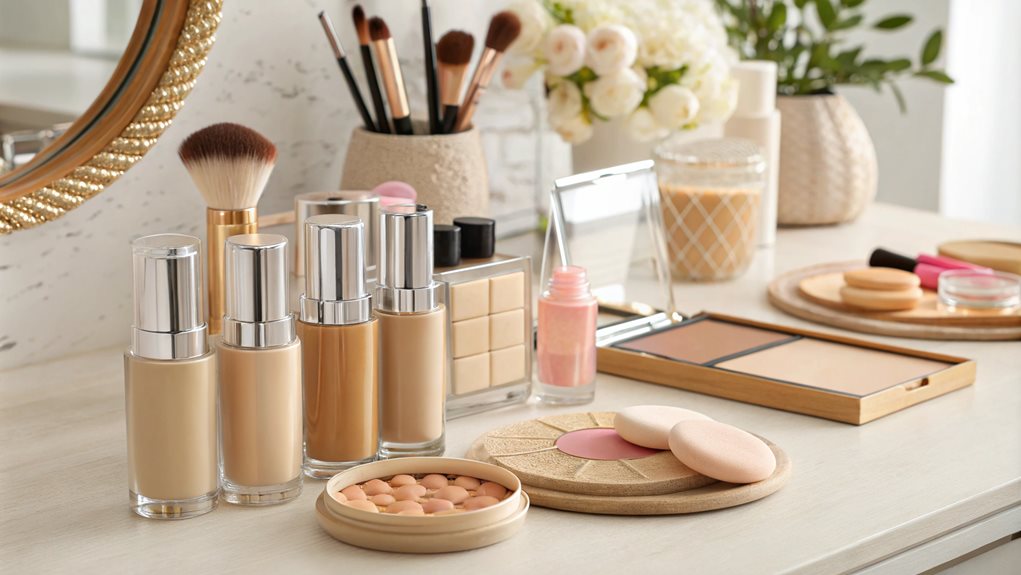
The strategic application of foundation greatly enhances complexion uniformity, creating a seamless canvas that minimizes imperfections and irregularities. Using the right moisturizer for your skin type and incorporating serums and toners can ensure well-hydrated skin, which is essential for smooth application. This process not only boosts the longevity of the skin’s appearance throughout the day but also optimizes product absorption, allowing for a harmonious blend of skincare and cosmetic products.
Additionally, a meticulously applied foundation elevates the makeup finish, achieving a polished and professional look that endures under various conditions.
Enhances Complexion Uniformity
Achieving a flawless complexion is one of the most significant benefits of proper foundation application techniques. By skillfully evening out skin tone, foundation creates a unified appearance and enhances the natural beauty of one’s complexion. The foundation’s seamless blending begins with meticulous skin preparation, confirming a clean and smooth canvas for product application. Through regular exfoliation and hydration, individuals can prevent dryness that disrupts uniformity, while primer application provides a stable base that supports an even finish.
To enhance complexion uniformity, strategic application is indispensable. By following a center-out approach, practitioners can blend foundation outward to blur potential harsh lines. Focusing on areas that need the most coverage and employing a stippling motion with the right tool confirms a smooth, natural finish that fosters a sense of community through shared beauty practices. Using a dampened beauty sponge will further help achieve a flawless, airbrushed look.
Consider these essential steps for an even complexion:
- Minimal Application: Begin with a modest amount and build coverage to maintain a harmonious look.
- Effective Blending: Use circular, buffing motions to achieve a seamless integration.
- Natural Lighting: Verify the uniformity of your complexion in natural daylight to validate perfection.
Through these methods, foundation serves to unify and enhance, creating an approachable and beautifully consistent complexion.
Boosts Skin Longevity
Boosts Skin Longevity (Benefits)
Seamless complexion uniformity paves the way for foundation to augment skin durability. This is achieved through multifunctional formulations that hydrate, protect, and nourish the skin, greatly extending its vigor and appearance. Liquid foundations infused with hydrating properties are particularly beneficial for aging skin, providing essential moisture to maintain suppleness throughout the day. Complementing these formulations with a moisturizer enriched with hyaluronic acid and ceramides further supports hydration, creating a robust defense against dryness and fine lines. A foundation that includes peptides can further enhance skin elasticity when paired with these hydrating components.
Cream foundations are indispensable for those seeking a luminous finish. By retaining moisture, they safeguard the skin remains soft and resilient under makeup. Additionally, incorporating a few drops of facial oil into the foundation application fortifies this hydration, imparting a healthy glow that radiates elegance and confidence.
Elevation of skin protection comes through foundations offering SPF and antioxidants, warding off harmful environmental stressors. Estee Lauder Futurist Hydra Rescue, for instance, not only shields but also revitalizes the skin with antioxidant properties. Incorporating makeup that combines skincare technologies, like serums blended into foundations, further enhances skin health and longevity by promoting vitality from within, ensuring that the skin remains youthful and vibrant every day.
Improves Product Absorption
Effective foundation application hinges on meticulous skin preparation, which substantially enhances product absorption. A diligent regimen involving exfoliation and hydration is indispensable to smooth foundation application, ensuring the skin is clean and free from dryness or flakiness that could otherwise be highlighted. Such preparation not only makes the foundation adhere more effectively but also reduces the prominence of pores and fine lines, delivering a flawless canvas for even foundation distribution.
The process of enhancing product absorption encompasses several techniques:
- Use a Primer: Primers play a pivotal role by creating a smooth surface, allowing the foundation to grip the skin more firmly and extend its longevity. Depending on the type used, they can illuminate, hydrate, or blur pores, enhancing foundation adhesion. Using the right primer helps ensure that the foundation lasts longer and enhances the overall appearance of the skin.
- Warming Foundation: Utilizing body heat by warming cream foundation with fingers can elevate absorption rates, offering a more seamless, natural finish that complements the skin’s innate texture.
- Stippling Technique: Opting for a stippling application technique over a painting motion prevents streaks and guarantees the product is pressed into the skin rather than just sitting on the surface, optimizing both coverage and finish.
Elevates Makeup Finish
Building on the foundation of enhanced product absorption, elevating the makeup finish requires a strategic approach to application that optimizes coverage and texture. Variety of finishes, achieved through the mix of cream, balm, and powder products, ensures a natural, glowing complexion. A flawless complexion is achieved through careful selection and layering of products, beginning with a primer to guarantee seamless blending and prolonged wear.
Employing a foundation that matches one’s skin tone, paired with application tools like a wet sponge or brush, allows for more substantial coverage. The technique of layering, such as applying cream contour before powder, prevents an unwanted cake-like appearance, thereby elevating the final makeup finish.
In pursuit of defining and contouring, the ‘underpainting’ technique emerges as a cornerstone, applying contour and highlight before foundation for a refined, camera-ready look. This groundwork minimizes the need for excessive foundation, emphasizing the natural structure of the face. Long-lasting results are further confirmed by setting products with translucent powder, guarding against creasing and confirming endurance throughout the day.
Innovations like preparing the skin with moisturizing pre-treatments uphold a radiant glow, while the use of natural lighting during application bestows a genuine, luminous finish. Thus, each step is a deliberate stride toward a polished and cohesive makeup presentation.
Suitable Skin Types
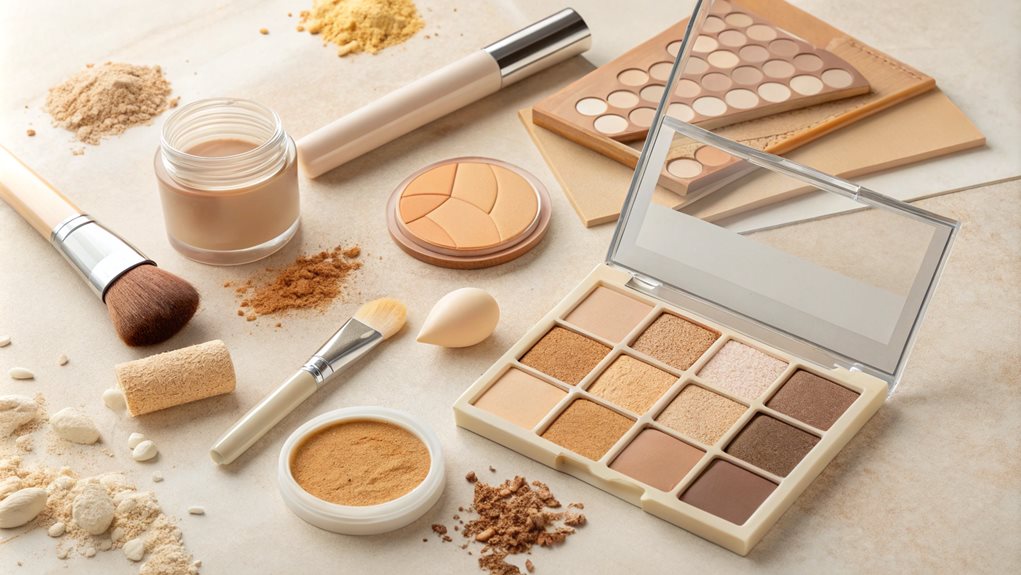
Understanding the nuances of different skin types is paramount when selecting the appropriate foundation and application technique. For oily skin, the goal is to control shine without sacrificing the finish, while dry skin benefits immensely from hydration and careful choice of foundation texture. Sensitive skin requires gentle formulas that avoid irritation, warranting meticulous ingredient scrutiny to guarantee a harmonious balance.
| Skin Aspect | Key Consideration |
|---|---|
| Oily Skin | Use oil-controlling methods |
| Dry Skin | Focus on hydration and texture |
| Sensitive Skin | Ensure gentle and non-irritating |
| Foundation Choice | Match formulas to skin needs
Identifying Oily Skin
The unmistakable sheen of oily skin often results from excessive sebum production, particularly noticeable in the T-zone, which includes the forehead, nose, and chin. Commonly, this skin type is characterized by a shiny or greasy appearance with enlarged pores that are often visible and prone to clogging. It’s important to note that skin type is not fixed and can change over time due to factors such as age or climate. As a result, oily skin frequently suffers from acne, blackheads, and a propensity for makeup to break down, causing it to slide off the face. Additionally, individuals with oily skin may contend with oily hair, necessitating frequent washing.
To effectively identify oily skin, several methods are recommended:
- Bare-Faced Method: Wash your face with a mild cleanser, wait 25-30 minutes, and then observe your skin for any noticeable shine or dryness.
- Blotting Sheet Method: Press blotting paper onto different areas of your face, particularly the T-zone, and evaluate the sheet for oil absorption.
- Daily Observation: Monitor your skin’s appearance throughout the day, noting if it becomes greasier, particularly in the afternoon.
Matching Dry Skin
Moving from the oily skin challenges, another common skin type that requires specific attention is dry skin. To create a seamless foundation application, it’s imperative to start with meticulous skin preparation. Exfoliating dead skin cells once or twice a week with a mild scrub, focusing on areas prone to dryness, like the nose and chin, establishes a smooth base. Following this, a rich, hydrating moisturizer enhances skin’s moisture retention. Allow approximately 5-10 minutes for indispensable absorption. For heightened hydration, gently massaging a few drops of nourishing facial oil can prove beneficial. It is best to select a moisturizer that not only hydrates but also maintains your skin’s moisture levels throughout the day.
Choosing the right products plays a pivotal role. Opt for a hydrating primer to layer moisture and refine skin texture, while a dewy finish foundation will prevent the accentuation of dry patches. Steer clear of matte formulas that may flatten dry skin’s appearance. The application technique must involve a damp makeup sponge to facilitate seamless blending and avoid fine line settling. Lightweight, creamy, or liquid foundations proffer a hydrating feel ideally suited for dry skin. Concluding the regimen, refrain from excessive powder use; instead, employ a setting spray with a glowy or dewy finish, enhancing hydrating elements and ensuring longevity.
Sensitive Skin Considerations
For individuals with sensitive skin, thorough preparation is essential to mitigate irritation and guarantee a smooth foundation application. The first step is to make sure the skin is well-moisturized, using gentle moisturizers designed to prevent dryness and discomfort.
Following this, applying a compress infused with thermal water for approximately 15 minutes can offer added hydration and calming effects, soothing the skin before makeup application.
Choosing appropriate products tailored for sensitive skin is pivotal. Mineral and organic makeup is typically advantageous, although it is important to be cautious of any preservatives and fragrances they might contain. Solid or stick formulas often include fewer preservatives, making them a suitable choice. Additionally, consider synthetic fibre brushes, which are both hypoallergenic and anti-bacterial, minimizing the risk of skin reactions. To further protect sensitive skin, avoiding applying foundation directly on irritated areas is recommended, similar to acne-prone skin techniques.
Application techniques tailored for sensitive skin ensure a seamless finish without aggravating the skin.
- Foundation Application: Use makeup sponges instead of latex applicators to avoid irritation, applying foundation in sheer layers.
- Product Warmth: When using cream-based products, warm them with fingers for better blending.
- Blending Method: Apply foundation starting from the face’s center, blending outwards for a natural appearance.
Implementing these strategies fosters a sense of belonging by promoting skin confidence and comfort.
Top Beauty Brands
Rare Beauty, ranked as the hottest beauty brand of 2023, offers customers a unique experience with its commitment to inclusivity and authenticity. By leveraging Google best practices, Rare Beauty guarantees that its highly regarded products, including foundations with extensive shade ranges, are easily discoverable online. With the mass appeal mirrored by brands like E.L.F. Cosmetics, Rare Beauty’s strong standing illustrates the significant rise in popularity and searches it commands. The brand’s strong social media presence, with significant engagement across Instagram and TikTok, further enhances its connection with customers, particularly Gen Z. Rare Beauty’s commitment to product innovation and customer satisfaction is evident through its professional approach and strategic online visibility, allowing it to effectively meet and exceed the expectations of its diverse and global customer base.
Brush Versus Sponge Application
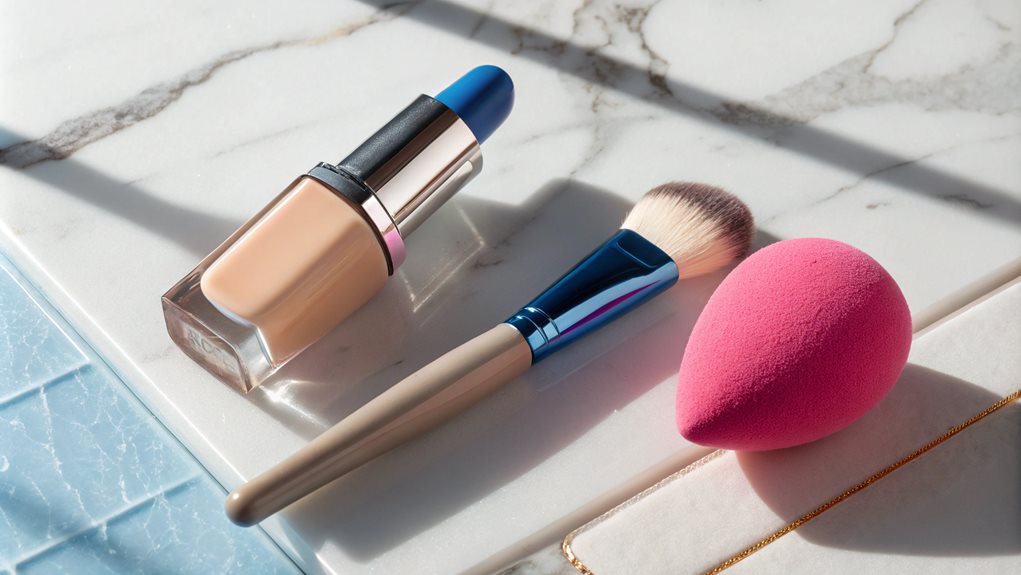
When choosing between a foundation brush and a makeup sponge, several key factors come into play, including coverage and finish differences, hygiene and maintenance tips, and application speed comparisons. Here is a summary of these aspects in a comparative table:
| Aspect | Foundation Brush | Makeup Sponge |
|---|---|---|
| Coverage and Finish | Provides more professional-looking finishes with medium to full coverage using stippling or short back dragging strokes. | Offers a natural, skin-like finish with sheer to full coverage depending on whether the sponge is damp or dry. |
| Hygiene and Maintenance | Requires regular cleaning once a week to prevent streaky finishes; generally more hygienic. | Less hygienic, absorbs significant product, and needs frequent cleaning and replacement. |
| Application Speed | Can be slower for beginners due to the skill required for even blending; faster for experienced users. | Generally quicker and easier to use, especially for small areas like the inner corners of the eyes. |
Understanding these differences can help you make an informed decision based on your specific needs and preferences. For instance, if you are looking for a tool that allows you to apply both cream bronzer and blush, a flat-top brush might be the better choice.
Understanding these differences can help you make an informed decision based on your specific needs and preferences.
Coverage and Finish Differences
Many makeup enthusiasts may find the choice between using a brush or a sponge for foundation application can substantially impact the coverage and finish of their look. Understanding these differences assists individuals in achieving their desired aesthetic.
Brushes offer a more professional and polished finish, especially when flat-top or Kabuki-style brushes are employed. This option is particularly favored when one desires full coverage, as it adeptly buffs and blends foundation seamlessly, facilitating precise application in challenging areas such as around the nostrils. However, users must be cautious of potential streakiness if not thoroughly blended. A foundation brush, like the IT Cosmetics Heavenly Skin CC+ Skin-Perfecting Brush #702, provides a flawless, budge-proof base that seamlessly integrates foundation into the skin, making it feel like part of the skin rather than an added layer.
Conversely, sponges lend a natural and skin-like appearance to the complexion, ideal for those seeking lightweight coverage. They are notably effective with liquid formulas, as they inherently absorb some product to achieve a softer, dewy effect. Sponges also excel at removing excess makeup to create an even finish, although they may contribute to caking over time.
- For full coverage, brushes are essential, offering control and precision.
- For a natural look, sponges provide a more skin-like finish.
- Ultimately, the choice largely depends on personal preference and desired outcomes.
Selecting the appropriate tool is key to mastering one’s desired makeup look.
Hygiene and Maintenance Tips
Achieving the perfect makeup look involves more than just choosing the right tool; maintaining cleanliness and hygiene in application tools is equally important. Using brushes and sponges requires particular attention to maintain both the tools and skin health. Brushes should be washed regularly with mild soap and lukewarm water to prevent bacterial buildup. It is beneficial to reshape brushes back to their original form post-cleaning, allowing them to dry naturally in a well-ventilated space guaranteeing bristle integrity. Proper storage in a clean, dry area further prevents contamination, reinforcing the community practitioners’ focus on meticulous care.
Conversely, sponges, often favored for their seamless application finish, demand frequent maintenance due to their porous nature. A damp beauty blender or sponge encourages effective cleaning post-use, employing mild soap and water. Use a damp makeup sponge or brush to blend the foundation outward on the face, ensuring a seamless and even coverage. Regular replacement, ideally every 1-3 months, assures optimal hygiene. For additional sanitation, brief microwaving or the use of a sanitizing spray offers supplementary defense against bacteria. Drying the sponge thoroughly counters mold development, underscoring the importance placed on hygienic practices by conscientious makeup users. By prioritizing these maintenance routines, makeup enthusiasts fortify their sense of community through shared commitment to health-conscious beauty rituals.
Application Speed Comparison
The decision between using a brush or a sponge for foundation application often hinges on desired speed and coverage level. Brushes typically offer quick initial application for those familiar with the technique, providing precise coverage and effective blending with minimal effort. For nuanced areas like around the nose, brushes excel with swift, detailed application. Brushes also absorb little product, contributing to a flawless, airbrushed finish when using liquid foundations.
Conversely, sponges, when dampened, enable rapid blending, resulting in a seamless, even finish that covers large areas capably and accelerates the overall process.
Understanding how these tools differ in application speed can be distilled into three key points:
- Initial Application: Brushes are swifter for those with practice, offering immediate control over product distribution, while sponges provide a rapid tapping method suited for an even layer.
- Blending Time: Dense brush bristles facilitate quick smoothing of foundation, whereas sponges enhance speed by absorbing excess product and enabling rapid, seamless integration.
- User Skill Level: Familiarity with the chosen tool profoundly impacts the speed; both methods can be expedited with experience, catering to different coverage needs.
For individuals seeking a community of beauty enthusiasts, understanding these application nuances fosters a shared appreciation for the artistry behind makeup techniques.
FAQ
How Can I Choose the Perfect Foundation Shade for My Skin Tone?
To select the ideal foundation shade, assess your skin tone and undertone using the vein test, jawline indicators, and complementary colors. Utilize tools like virtual shade finders and natural light checking for an accurate match.
What Is the Best Way to Make Foundation Last All Day?
To guarantee all-day foundation wear, prioritize skin preparation, use a primer, and apply setting powder followed by a hydrating spray. Select products that complement each other, focusing on formulations that enhance longevity and a flawless finish.
How Should I Prepare My Skin Before Applying Foundation?
To prepare your skin for foundation, cleanse with a gentle hydrating product, exfoliate weekly for smoothness, and moisturize to balance hydration. Apply a suitable primer for an even base, enhancing foundation longevity and seamless application.
Can You Combine Foundation With Other Makeup Products for a Natural Look?
Combining foundation with other makeup products, such as bronzing drops, cream blush, and luminizer, creates a natural look. This approach enhances features subtly while promoting a sense of unity and belonging in a beauty-conscious community.
How Can I Prevent Foundation From Looking Cakey on My Skin?
To prevent foundation from looking cakey, employ thorough skin preparation, selecting compatible products suitable to your skin type. Guarantee lightweight application in layers, and utilize tools such as a damp beauty blender for blending to achieve a natural finish.